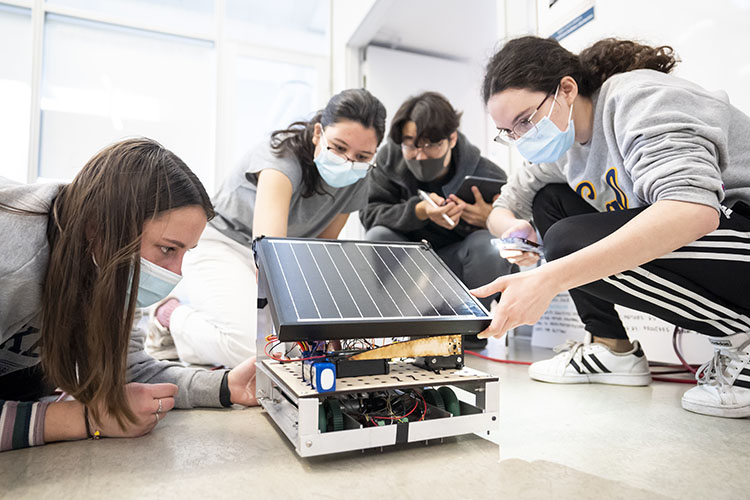
What Is Experiential Learning?
Experiential Learning is simply “learning by doing”. It lies at the intersection of theory and practice, providing participants a means of acquiring and applying knowledge. Learning is deepened through intentionality, reflection, and conceptualization which is practiced throughout the experience and reverberates far into the future. Experiential learning can occur in almost any setting and through a wide variety of activities. You’ll find the most value in well-structured programs such as internships and externships that are designed to build specific skills, competencies, knowledge, and professional networks.
Benefits of Experiential Learning
Through experiential learning, you can:
- Acquire and apply knowledge to real-world situations
- Acquire, and strengthen, valuable skills
- Experience various work environments and develop as a professional
- Reality-test career interests
- Gain experience that employers look for in candidates
- Meet and work with professionals to establish a network and references
- Earn money for tuition and expenses
Some Ways Of Obtaining Experiential Learning
- Internships (internships and service learning on campus)
- Micro-Internships
- Externships/Job Shadowing
- Work Study
- Fellowships
- Research
- Independent Projects (The Berkeley Project, Student-Initiated Community Projects, URAP)
- Co-Ops
- Volunteering
- Employer Challenges & Case Study Competitions
- Professional Work Simulations (Forage)
Experiential Learning on Campus
UC Berkeley’s commitment to experiential learning is demonstrated in the many internship and service learning opportunities available through campus. Explore new opportunities that can enrich your time at Cal, as well as contribute to your resume, professional growth, and career readiness. Learn more about some of the experiential learning opportunities on campus.